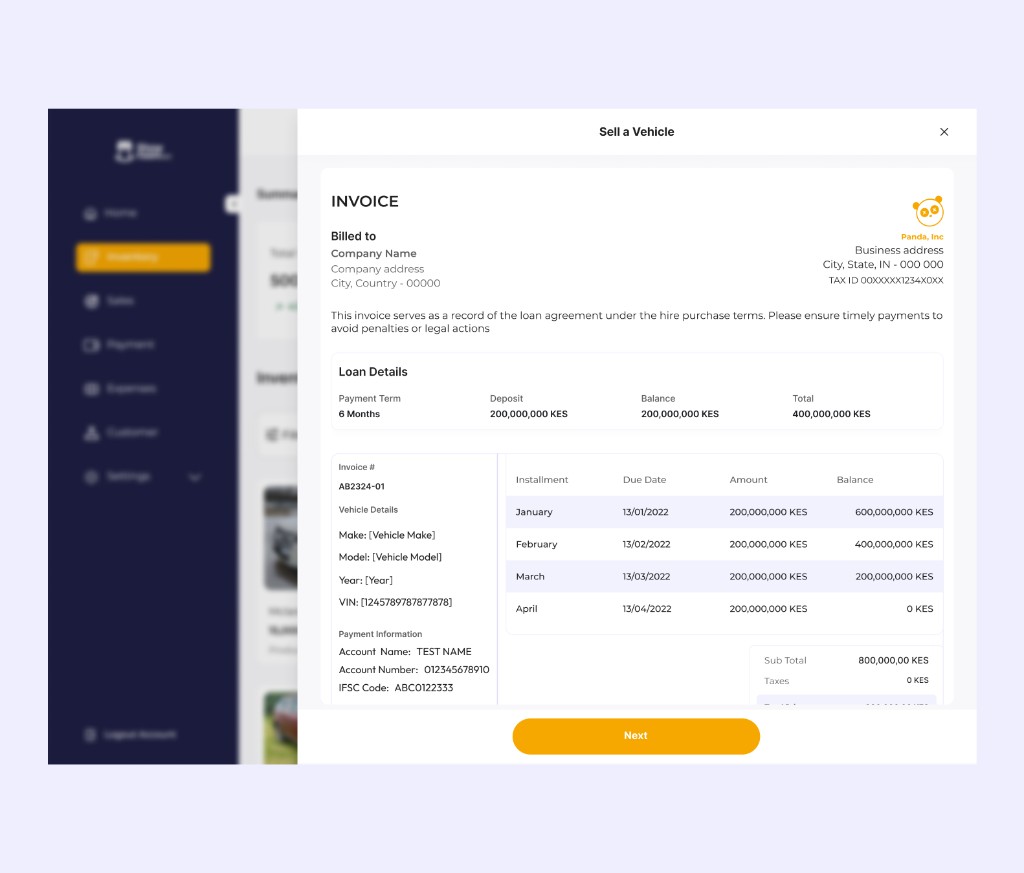
Inventory, sales, and hire-purchase in one place, so you're not typing the same vehicle three times.
A buyer walked onto the lot asking about a Toyota Highlander on hire purchase.
The owner didn't open one system. He opened three different places.
Stock count was in a notebook on the desk. Hire-purchase installments lived in a spreadsheet someone updated every few days. Year, trim, engine: all typed by hand from a paper log because yesterday's entry never made it into the system.
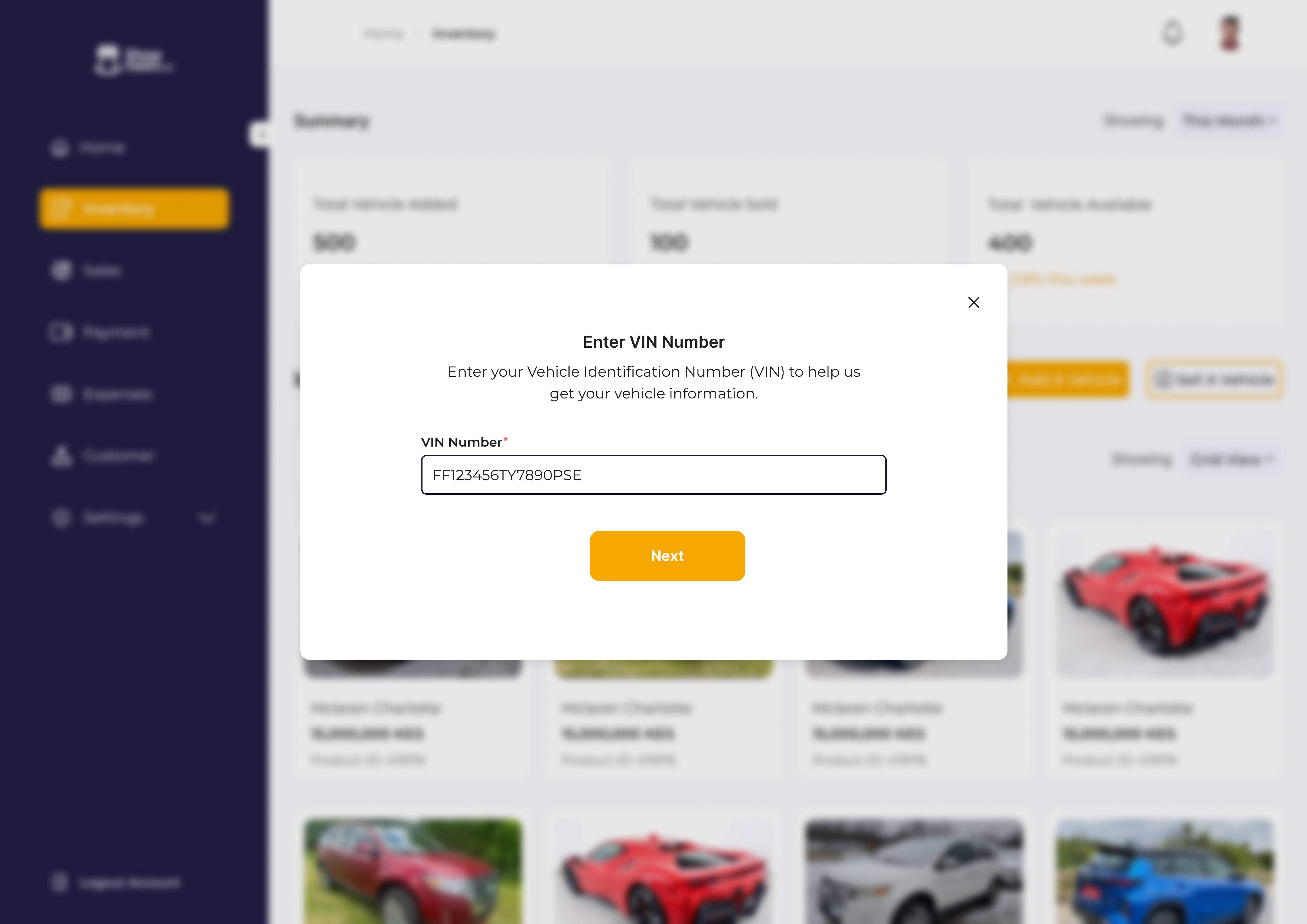
The customer waited while he checked whether the unit was still available, then whether the down payment fit the installment plan, then re-entered the same VIN into a sales form.
By 10 AM he'd closed a cash sale, taken a deposit on another vehicle, and fielded a call about an overdue payment. Each transaction started from scratch. Same customer details, entered three times.
Nothing was wrong with how he ran the business. The tools just weren't connected.
Showroom360 was built so one sale record could carry stock, customer, and payment data from first quote to final installment.
Showroom owners weren't bad at sales. Inventory was in one place, hire-purchase in spreadsheets, vehicle specs retyped every morning.
Nobody asked for another dashboard. The real question was whether one sale record could carry stock, customer, and payment data from quote to final installment. Without that, you just have three silos behind one login.
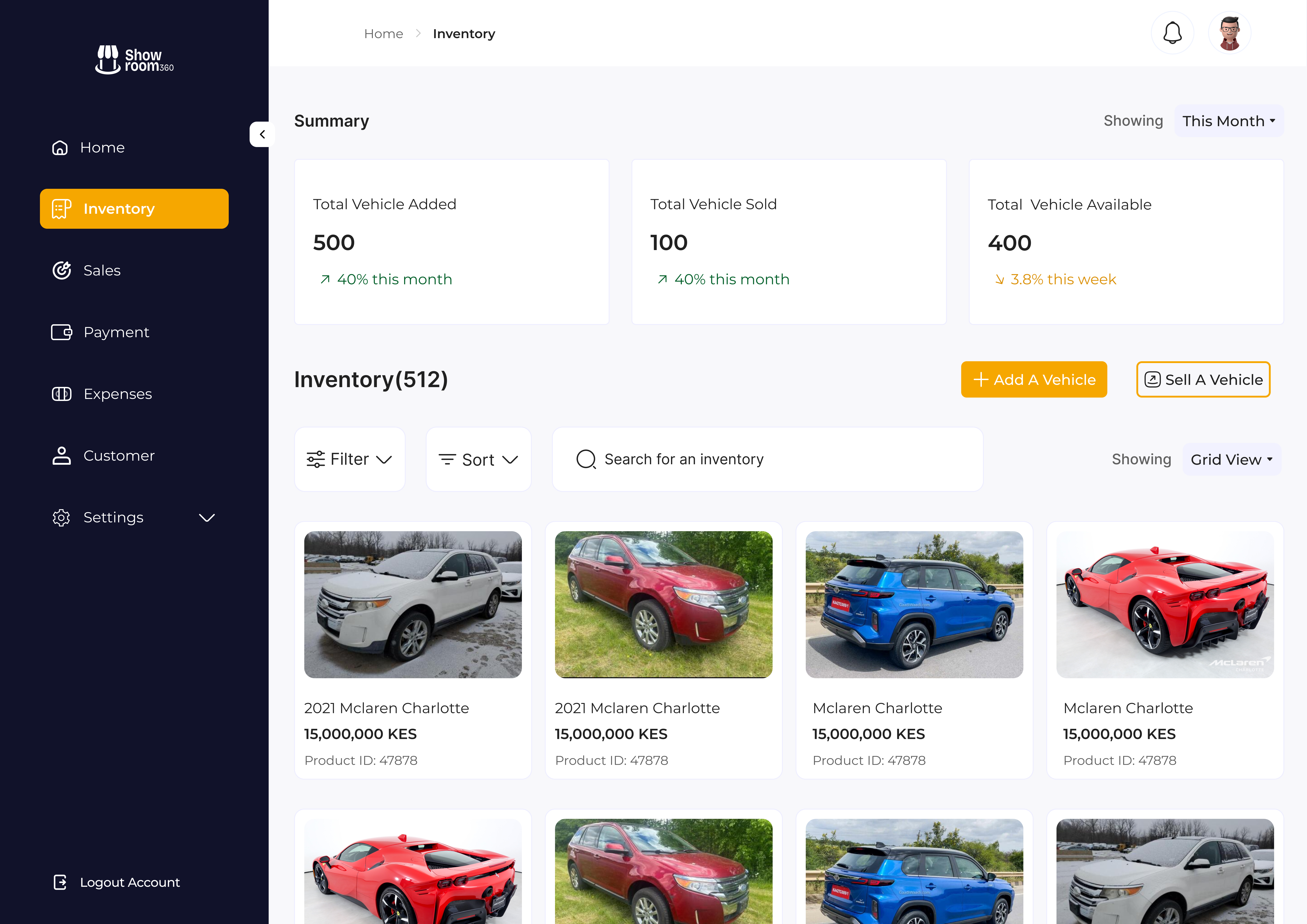
Leadership wanted separate flows for cash sales, hire purchase, and CNF inventory. Fine in a pitch deck. Not for owners who run all three before lunch.
I argued for one sales path where fields change based on transaction type. Same steps, different fields. The PM worried it would feel hidden. Owners in research said they'd rather learn one path than three.
I sat with dealership owners, furniture retailers, and wholesalers. Same pattern everywhere: they knew their business, but the tools made simple jobs feel heavy.
"Tracking buy-now-pay-later deals was a constant headache. Shop owners needed to see who was behind without digging through files."
Wireframes didn't win the hire-purchase argument. A workflow map did. It showed where inventory, sales, and payments disconnected and what got re-entered at each handoff. Once leadership saw the manual loops, they stopped treating automation as optional.
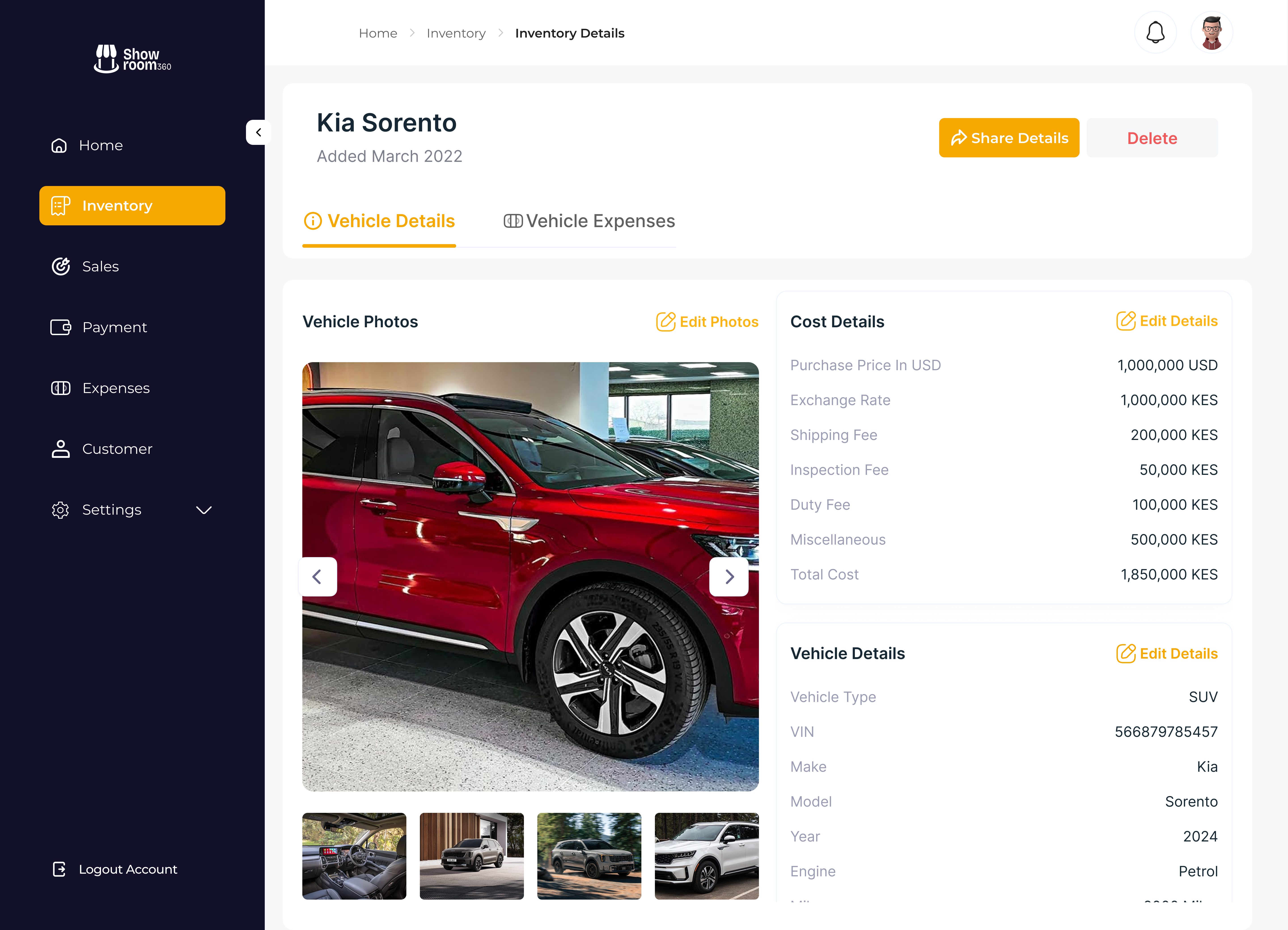
Cash, hire purchase, and CNF inventory share the same step sequence but show different fields at the right moment. Stock, customer history, and payment schedules attach to one sale, not three entries reconciled at end of day. Less navigation, less training, no parallel BNPL spreadsheets.
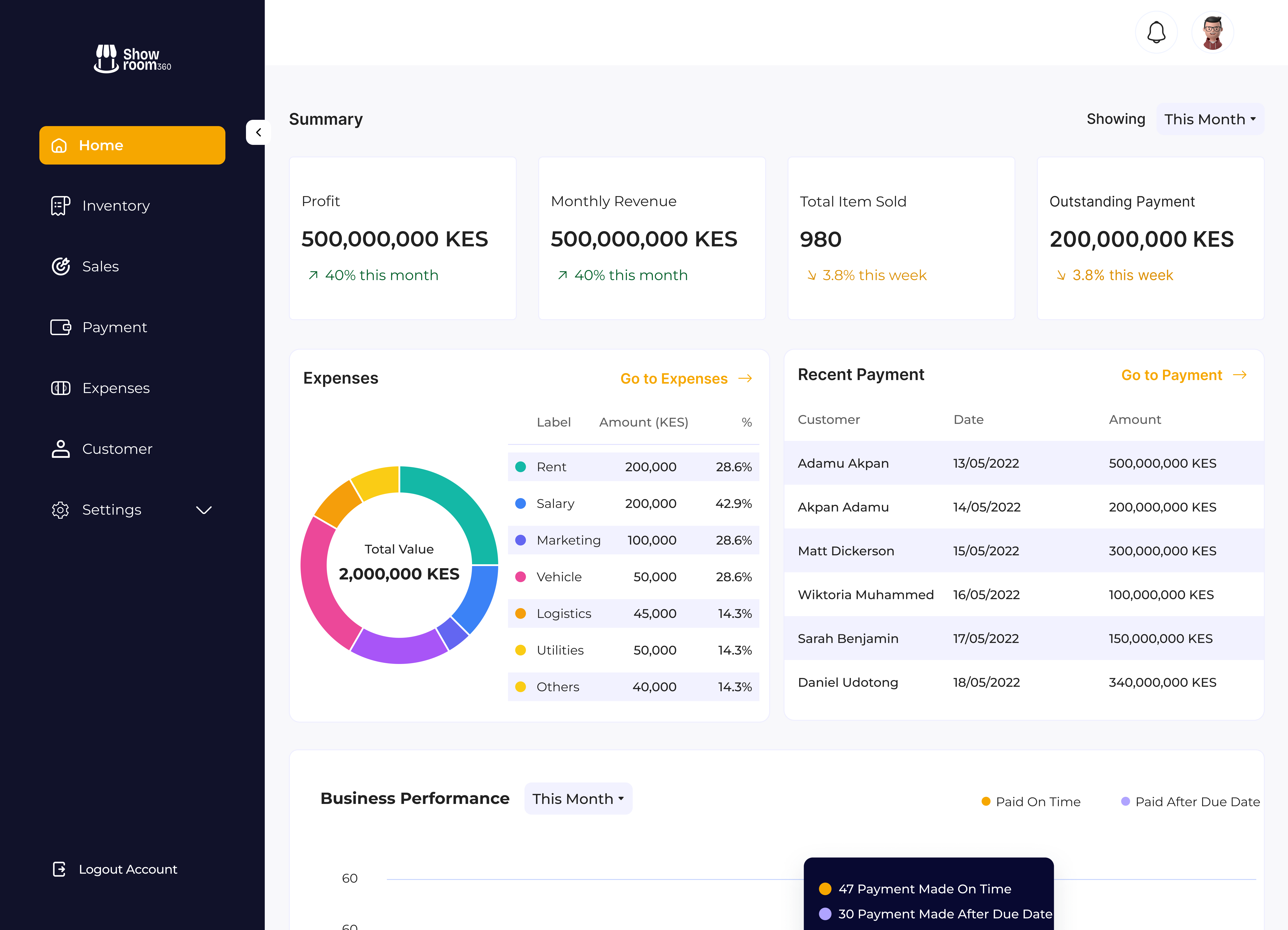
No A/B test here. Small-business ops software, not a growth experiment. These are the signals we watched and what owners told us after launch.
Research baseline: hours daily on manual spec entry. VIN lookup target = first-fill from lookup, edit only on exception.
Owners maintained parallel spreadsheets for BNPL before launch. Success = overdue accounts surfaced in-app without file digging.
Adopted by small shops and larger operators. Daily use suggested it became part of the routine, not a trial they dropped after a week.
What owners said: Less manual vehicle entry. Clearer payment tracking. They dropped the parallel hire-purchase spreadsheets. Customer history, inventory, and payments in one thread. No bolt-on CRM for repeat buyers.
First design: a checkbox on the payment screen. Users didn't trust it. A dedicated tracker with overdue flags felt like overkill to stakeholders. Collections got better because the workflow matched how owners thought about debt, not how our IA diagram looked on paper.
When research and roadmap disagree, show the cost of the manual workaround. Time lost per step beat taste in every prioritization fight on this project. Map the system first, then design the screen.
↑ Back to work