Workspace ERP
One wrong click could cost thousands
ContextBuilt as an internal tool for an ISP. Now being developed as a public ERP platform. The interface shown is production UI from that system.
ProblemFinance teams could create, approve, and post to the GL in one step. No second review before errors hit the books.
Why it matteredWrong GL accounts, duplicate invoices, and typos meant reversals, bad vendor balances, and hours of month-end reconciliation.
ValueOnly validated transactions reach the General Ledger. Drafts stay off reports until a Checker approves.
Live site · Currently building
Case study →
Showroom360 · Demz Labs
When showroom owners lose hours to spreadsheets and manual entry
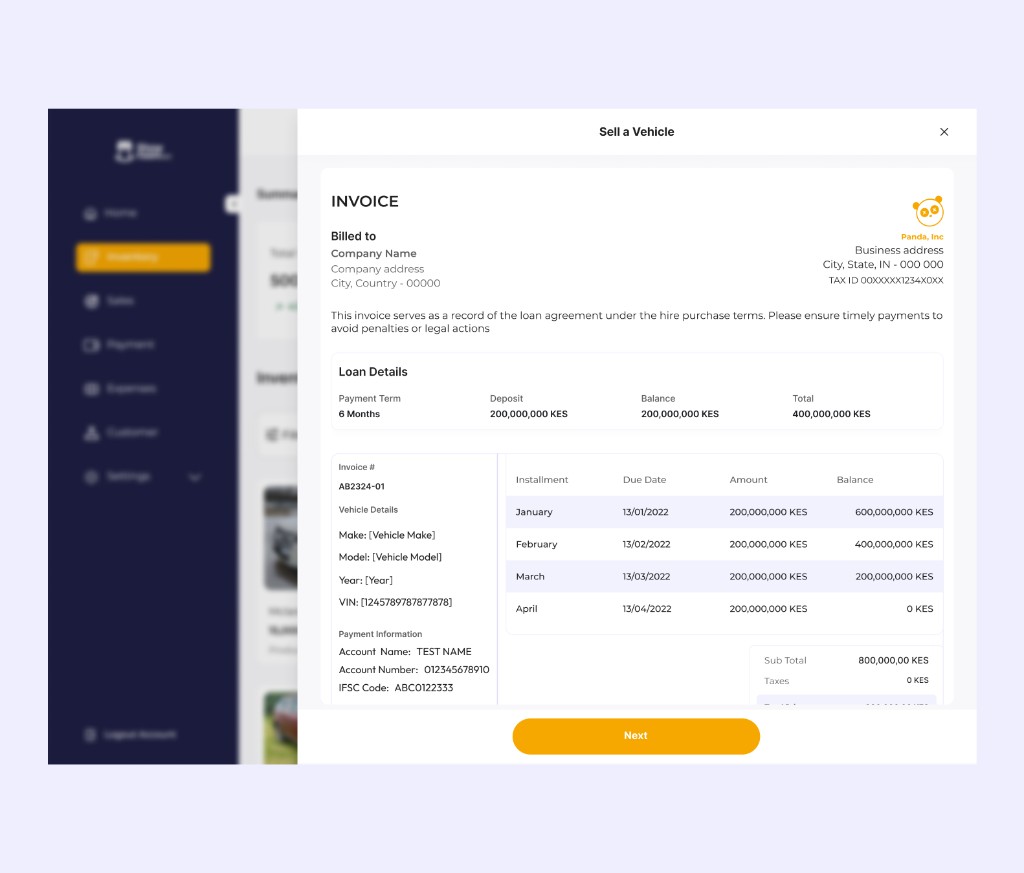
ProblemInventory, sales, and hire-purchase payments were tracked across disconnected tools. Vehicle data entry alone ate hours daily.
Why it matteredMissed payments and stock blind spots cost real money. They needed ops software, not another dashboard.
ValueStock, sales, and hire-purchase tracking in one system. Less reconciliation, fewer missed payments.
Enterprise SaaS suite
When every product ships its own version of the same button
ProblemTeams rebuilt UI from scratch on every product. Handoffs were slow. Users noticed the inconsistency.
Why it matteredDelivery kept slipping and maintenance cost was climbing. Leadership needed a system people would actually use.
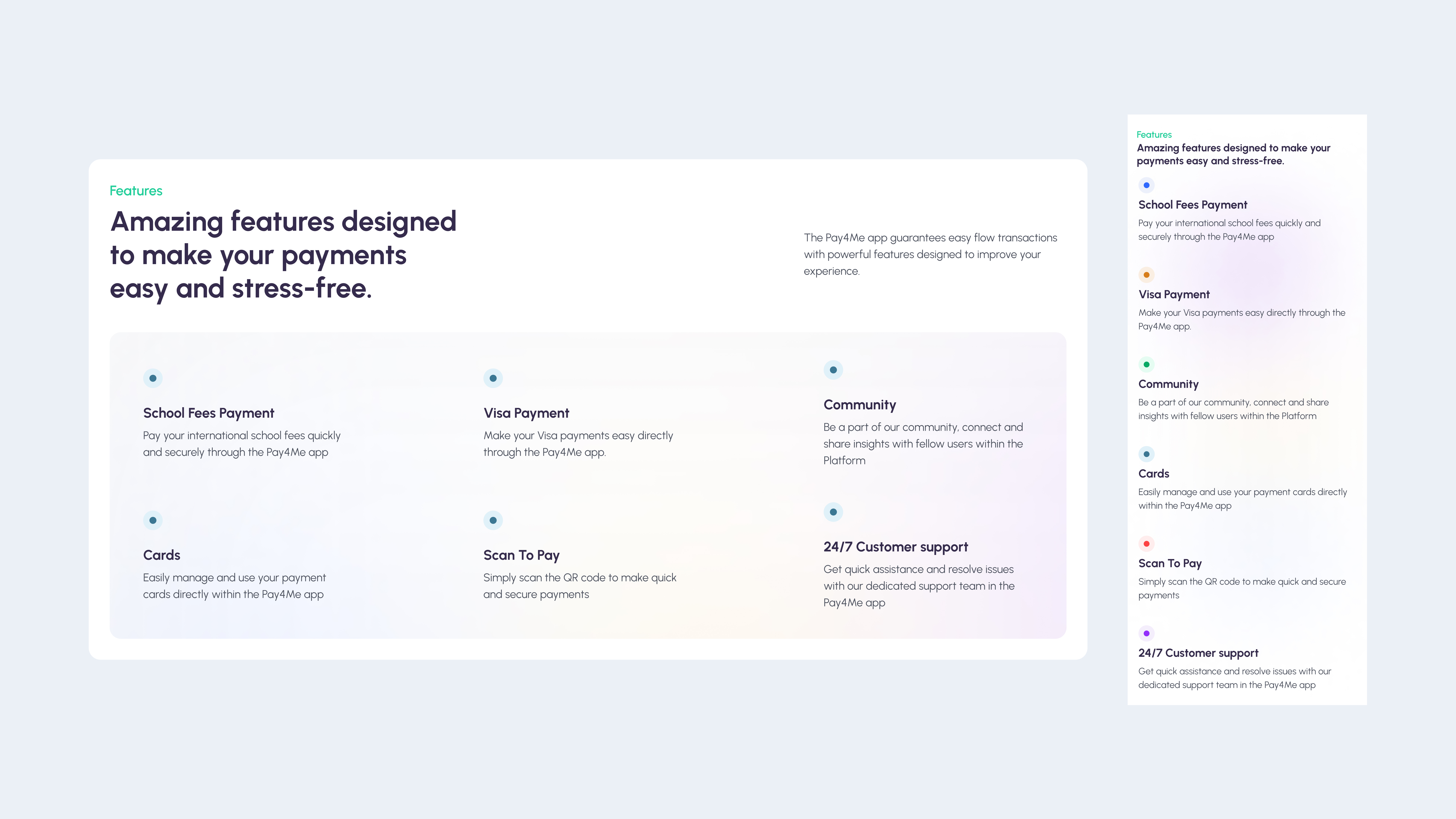
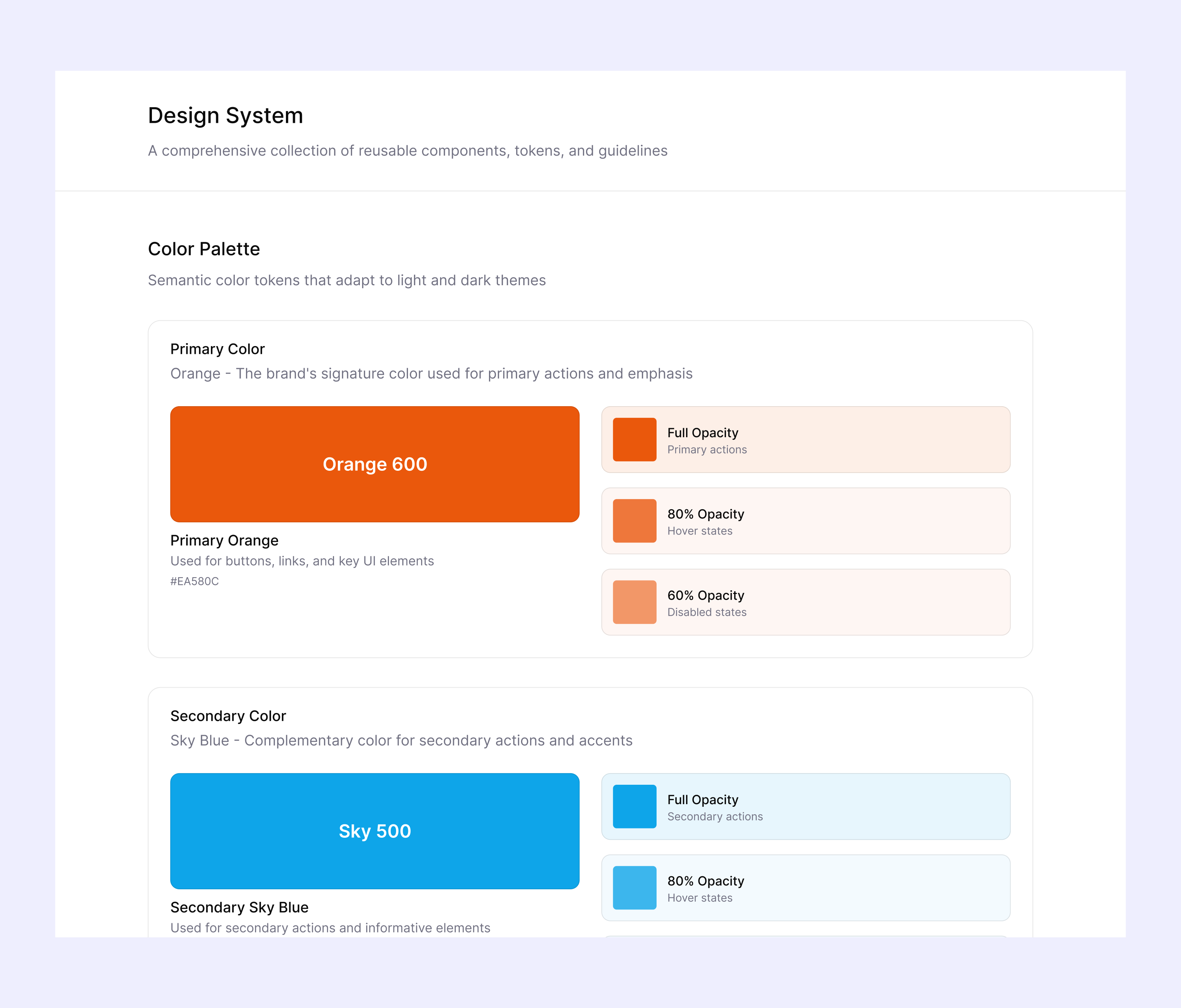
ValueShared patterns across the suite. Teams stopped rebuilding UI and started shipping features.
Everlink
When crypto complexity kills a simple gifting moment
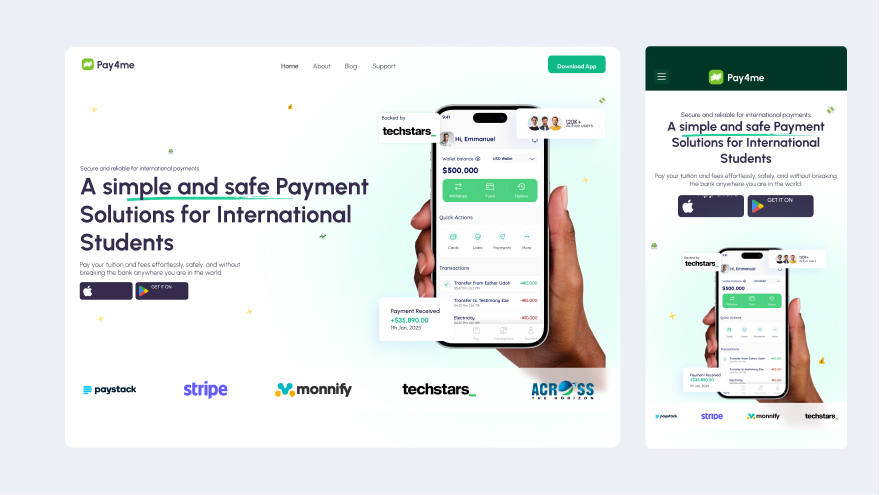
ProblemUsers dropped off at wallet setup. The product felt technical when the job was emotional.
Why it matteredCompletion rate was the metric. Every extra step lost someone mid-gift.
ValueGifting flow that reads like a normal app. Live on iOS at evrlinkapp.com.
HeavyOps
When dispatch runs on phone calls
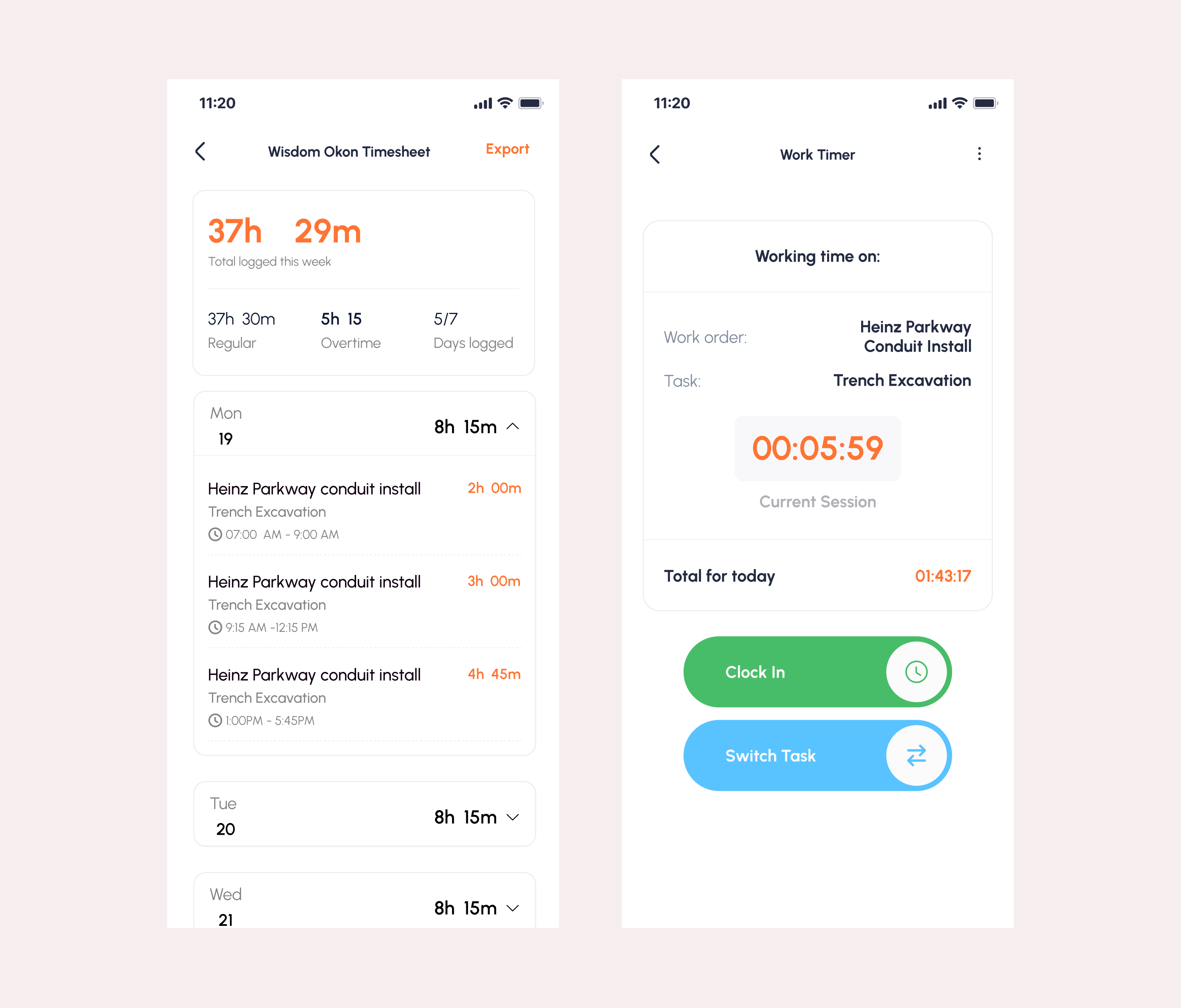
ProblemWork was scattered across phone calls, WhatsApp, spreadsheets, and paper. Everyone had information. No one had the same information.
Why it matteredMissed jobs, duplicated dispatch, payroll corrections, and idle equipment cost money every day coordination stayed manual.
ValueDispatch, attendance, tasks, equipment, and training connected around a single job workflow instead of separate tools.